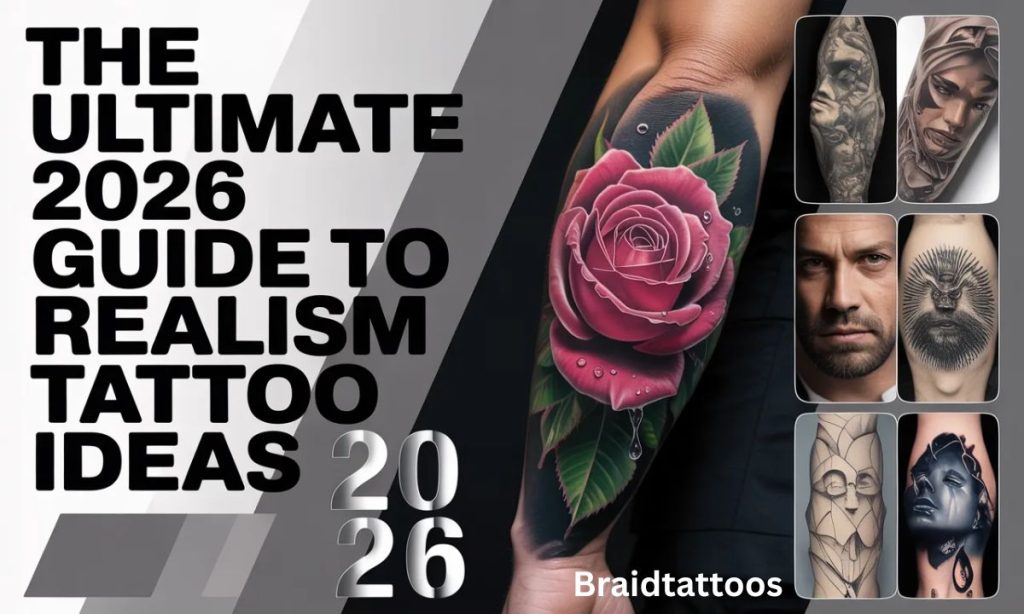
Realism Tattoo Ideas have exploded in popularity over the past decade, transforming skin into living canvases that mirror photographs with breathtaking accuracy. Unlike traditional tattoo styles that rely on bold outlines and symbolic imagery, photo-realistic ink demands extraordinary technical skill, an understanding of light and shadow, and meticulous attention to detail that separates amateur work from museum-quality art.
The evolution of tattoo technology has made 2026 the golden age for realism enthusiasts. Advanced needle configurations, improved ink pigments, and refined techniques for artistic shading have pushed the boundaries of what’s possible on human skin. Whether you’re considering your first realistic piece or adding to an existing collection, understanding the fundamentals will help you make informed decisions that result in artwork you’ll treasure for decades.
This comprehensive guide breaks down everything from style selection to long-term maintenance. We’ll explore the technical aspects that create those stunning 3D tattoo effects, compare different realism approaches, and provide actionable insights for choosing the perfect design and placement. The difference between a good realism tattoo and an exceptional one often comes down to knowledge—both yours and your artist’s.
Realism tattoos replicate real-world subjects with photographic precision, capturing every subtle gradation of tone, texture, and depth. The style originated in the 1960s and 70s but has undergone radical transformation with modern equipment and techniques. Today’s realism artists function as both tattooers and fine artists, translating three-dimensional reality onto the curved, living surface of skin.
What separates realism from other tattoo styles is the absence of traditional outlines. Instead of using black lines to define shapes, realism artists build forms through contrast in tattooing—layering different values of gray or color to create the illusion of depth. This fine line technique requires exceptional needle control, with artists often using single needles or tight configurations to achieve the subtle gradations that make skin look like skin, eyes appear wet and reflective, and fabric seem touchable.
The technical demands are staggering. Artists must understand needle depth variations across different body areas, how skin texture affects ink placement, and how to compensate for the body’s natural healing response. Unlike traditional styles where slight imperfections blend into the overall design, realism shows every mistake. A portrait with eyes that don’t align or a landscape with inconsistent light sources becomes immediately obvious to viewers.
Skin healing plays a crucial role in the final result. As tattoos heal, they typically lose 20-30% of their initial vibrancy. Expert realism artists compensate by slightly over-saturating during the initial session, knowing the healed result will settle into the perfect tonal range. This forward-thinking approach separates experienced practitioners from novices who don’t account for how time transforms fresh ink into permanent art.
Real-world Example: Consider the difference between a standard portrait tattoo and a photorealistic one. A traditional portrait might capture someone’s likeness with bold lines and solid colors. A realism portrait, however, includes individual eyelashes, the subtle pink tones in skin, reflective highlights in the iris, and even the fine texture of pores. One famous example is Nikko Hurtado’s portrait work, where subjects’ family members have mistaken tattooed images for actual photographs when seen from a distance.
Top 10 Realism Tattoo Categories for Men & Women
The versatility of realism allows endless creative possibilities, but certain categories consistently deliver stunning results. Understanding these popular themes helps narrow your options while ensuring your chosen subject translates well to skin.
Each category demands specific technical approaches. Portrait work requires absolute portrait accuracy—a millimeter’s difference in eye placement can change an entire face’s expression. Wildlife pieces need careful attention to fur or feather texture, with thousands of tiny marks creating the illusion of individual strands. Floral realism benefits from color work’s ability to capture petal translucency and subtle color variations.
The complexity level directly correlates with time investment and cost. Very high complexity pieces often require multiple sessions spread across months, allowing proper healing between appointments. This staged approach actually improves final quality, as artists can assess healed realism results and make adjustments during subsequent sessions rather than pushing through in one marathon sitting.
Size matters tremendously in realism work. A small realistic portrait rarely captures the detail that makes the style impressive—faces need adequate space for subtle features. Most artists recommend portraits be at least 4-6 inches tall for proper detail representation. Similarly, landscape scenes benefit from larger canvases where distant elements can maintain their depth relationships.
Creative Idea: Consider a “memory sleeve” that combines multiple realism categories. Start with a portrait of a grandparent at the shoulder, transition into their favorite flowers at mid-arm, include their hometown landscape at the forearm, and finish with symbolic objects they loved near the wrist. This narrative approach creates a cohesive story while showcasing the artist’s versatility across realism subcategories.
Why Placement Matters: Best Spots for Realism
Body placement dramatically affects both the tattooing process and long-term appearance of realistic work. Unlike traditional styles that can flex with body movement, realism depends on maintaining proper proportions and perspectives as skin stretches and contracts.
Optimal Placement Zones for Realism Tattoos:
Outer Upper Arm/Shoulder: Relatively flat surface with minimal distortion during movement. Ideal for portraits and medium-sized pieces. Moderate pain level and excellent visibility for showcasing detail work.
Upper Back/Shoulder Blade Area: Large, stable canvas perfect for landscapes and expansive scenes. The skin here holds detail exceptionally well due to limited stretching. Lower pain sensitivity makes it suitable for longer sessions.
Outer Thigh: Substantial flat space ideal for large-scale realism work. The muscle structure provides a stable foundation, and the area experiences less sun exposure, preserving longevity of ink. Good for pieces you want to display selectively.
Forearm: Popular for visible realism pieces with excellent viewing angles. The slight curve adds natural dimension to certain subjects. Higher sun exposure requires diligent protection, but the area heals consistently well.
Calf: Similar benefits to thigh placement with slightly more muscle movement. Works beautifully for vertical compositions like standing figures or tall objects. The area’s shape naturally complements certain wildlife subjects.
Chest (Upper Pectoral Area): Excellent for meaningful pieces centered over the heart. Flatter on male anatomy; requires careful planning on female anatomy to account for natural contours. Moderate to high pain level depending on proximity to bone.
Areas to Approach with Caution:
Hands and Feet: Excessive movement and exposure lead to faster fading. The detailed work that defines realism often blurs quickly on these high-friction areas.
Ribcage: Extremely painful for the multiple sessions realism requires. Skin stretches significantly with breathing and body position changes, potentially distorting carefully planned compositions.
Inner Bicep: Significant stretching during arm movement can distort proportions over time. The softer skin here also tends to experience more ink spread during healing.
Consider your lifestyle when selecting placement. Office professionals might prefer areas easily covered by business attire. Athletes should avoid joints where constant flexing could compromise detail over time. Those living in sunny climates need to factor in sun exposure’s impact on ink vibrancy—UV rays are the enemy of photo-realistic detail.
Artist access matters too. Some body areas are simply harder to tattoo well due to awkward angles or the need for the client to maintain uncomfortable positions for hours. A skilled artist will honestly discuss whether your chosen placement allows them to execute your vision with the precision realism demands.
Real-world Example: A client wanted a realistic clock face on their inner wrist—a popular choice. However, the constant movement and sun exposure in this area meant the fine Roman numerals would blur within 2-3 years. The artist suggested the outer forearm instead, where the same design would maintain its intricate detail for decades. Five years later, the piece still looks crisp and clear, proving placement wisdom preserves the investment.
Color Realism vs. Black and Grey: Which One Is For You?
The choice between color and black-and-grey realism fundamentally changes your tattoo’s aesthetic, maintenance requirements, and aging characteristics. Both approaches produce stunning results, but understanding their distinct properties helps align your choice with your vision and lifestyle.
Black and grey realism uses only black ink diluted to various degrees, creating a range from pure black to the lightest whisper of grey. This monochromatic approach gives tattoos a timeless, classic appearance reminiscent of black-and-white photography. The style excels at conveying mood, drama, and emotional depth. Shadows appear richer, and the focus stays on form, texture, and composition rather than color relationships.
The technical advantages of black-and-grey work are significant. These tattoos typically age more gracefully than color pieces, as black ink particles are larger and more stable in skin over decades. The longevity of ink becomes particularly apparent 10-20 years post-tattoo, when black-and-grey pieces still show clear definition while some color work has shifted in hue or faded significantly.
Color realism introduces the full spectrum, allowing artists to match subjects exactly as they appear in life or photography. A portrait can capture skin’s warm undertones, a landscape can show the golden hour’s amber light, and flowers can display their natural vibrant hues. The added dimension of color creates opportunities for stunning visual impact that monochrome cannot match.
However, color realism demands more from both artist and client. Not all colors age equally—reds and purples tend to fade faster than blues and blacks. Sun exposure affects colored ink more dramatically, requiring religious application of SPF protection. Touch-ups become more complex as the artist must match not just value but also hue years after the original work. The initial vibrancy you see fresh out of the studio will diminish by 20-40% after healing, with continued subtle fading over years.
Skin tone plays a crucial role in color decisions. Lighter skin tones provide a neutral canvas where colors appear true to their pigment. Medium to darker skin tones naturally affect how colors present—lighter shades may not show prominently, while certain colors need strategic mixing to achieve visibility. Experienced realism artists adjust their color palettes based on their client’s skin tone to ensure the intended effect translates properly.
Consider black and grey if you:
Prefer timeless, classic aesthetics
Want lower long-term maintenance
Have an active outdoor lifestyle with high sun exposure
Appreciate dramatic contrast and moody compositions
Are getting a portrait and want to avoid the challenge of matching exact skin tones
Choose color realism if you:
Want to replicate vivid subjects like sunsets, tropical flowers, or colorful birds
Are committed to sun protection and potential touch-ups
Desire maximum visual impact and “wow factor”
Have specific colors that hold personal meaning
Want your piece to look as close to a photograph as possible
Many clients combine both approaches in creative ways. A predominantly black-and-grey piece might feature selective color accents—a single red rose among monochrome elements, or color eyes in an otherwise black-and-grey portrait. This hybrid approach delivers visual interest while maintaining some of black-and-grey’s longevity advantages.
Creative Idea: A split-composition memorial piece comparing “then and now.” One side features a colorful childhood photo of a loved one in full realism, while the opposite side shows the same person as an elderly adult in black-and-grey. The contrast between vibrant youth and dignified age creates powerful emotional resonance while showcasing both realism styles in a single cohesive design.
Frequently Asked Questions About Realism Tattoos
How much does a quality realism tattoo cost?
Expect $150-$300+ per hour with experienced artists. A medium-sized portrait typically runs $800-$2,000 total. Never choose based on price—poor realism work cannot be fixed easily.
How long does realism ink last before needing touch-ups?
With proper care and sun protection, 7-10 years before major touch-ups. High-sun areas or neglected aftercare may need attention within 3-5 years for optimal appearance.
Can any tattoo artist do realism work?
Absolutely not. Realism requires specialized training in portraiture, shading, and fine line technique. Always review an artist’s specific realism portfolio before committing.
Do realism tattoos hurt more than traditional styles?
The multiple passes required for smooth gradations mean longer session times in the chair. Pain levels depend more on placement than style—bony areas hurt regardless.
How many sessions will my realism piece require?
Small pieces (4-6 inches): 1-2 sessions. Medium (6-10 inches): 2-3 sessions. Large (10+ inches): 3-6 sessions. Complex portraits or color work often need additional appointments.
Will my realism tattoo blur over time?
All tattoos experience some spreading as ink particles naturally diffuse. High-contrast black-and-grey work maintains definition better than delicate color gradations. Proper placement and aftercare minimize blurring significantly.
Can realism tattoos be covered up later?
Extremely difficult due to the density of ink saturation. Dark realism pieces require laser removal before cover-up attempts. Consider permanence carefully before committing.
Conclusion: The Future of Realism Ink
Realism tattooing stands at an exciting intersection of traditional artistry and technological innovation. As we move deeper into 2026, advancements in ink chemistry promise even better longevity of ink with pigments designed to resist fading while maintaining true color representation decades after application. Machine technology continues evolving with more precise needle control systems that allow artists to achieve even finer detail work, pushing the boundaries of what’s possible on the living canvas of human skin.
The growing acceptance of tattoos in professional environments has elevated realism work from counterculture statement to legitimate art form. Museums now host exhibitions featuring photographic documentation of master realism pieces, and the artist community continues developing techniques that blur the line between photography and permanent body art. For those considering realism tattoos, there’s never been a better time—the combination of skilled artists, improved materials, and refined techniques means your vision can be executed with unprecedented precision and permanence.
Hi, I’m Aiden Blake. On this site, you’ll find detailed information about different types of tattoos. With 3 years of experience in the tattoo field, my goal is to share useful tips, unique ideas, and inspiration to help you explore the art of tattoos with confidence.